Fish farming, also known as aquaculture, is the practice of raising fish in controlled environments for food, commercial purposes, and sometimes recreational activities. It is one of the fastest-growing sectors of food production around the world. As the global population continues to increase, the demand for affordable and nutritious protein is also rising. Fish farming can help meet this demand while creating employment opportunities and supporting local economies.
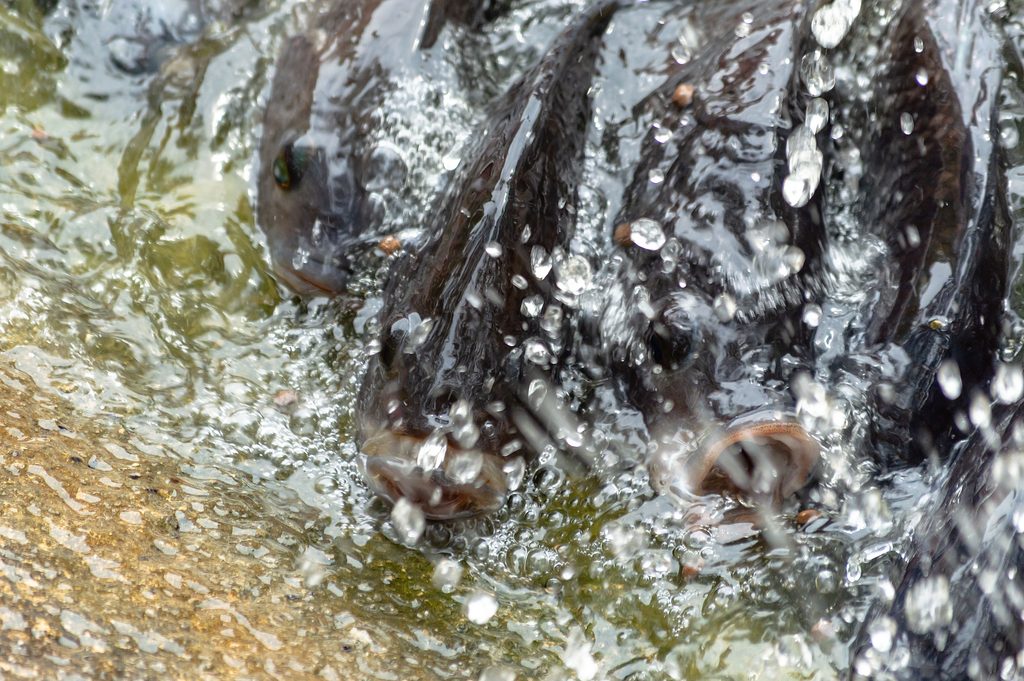
Unlike traditional fishing, which depends on naturally occurring fish populations, fish farming allows farmers to control many aspects of fish production. These include the type of fish, feeding, water quality, stocking density, and harvesting time. With proper planning and management, fish farming can be a profitable and sustainable agricultural business.
What Is Fish Farming?
Fish farming is a type of aquaculture in which fish are bred, raised, and harvested in artificial or semi-natural environments. Fish can be grown in ponds, tanks, cages, raceways, or other specially designed systems.
Commonly farmed fish include tilapia, carp, catfish, salmon, trout, and various species of freshwater and marine fish. The choice of fish depends on the climate, water availability, market demand, farming system, and experience of the farmer.
Fish farming is particularly important in countries where fish is a major part of the daily diet. It provides a reliable source of protein and can reduce pressure on wild fish populations.
Why Is Fish Farming Important?
Fish farming has become increasingly important because natural fish resources are under pressure from overfishing, pollution, climate change, and habitat destruction. Responsible aquaculture can help provide fish without relying entirely on wild fisheries.
One major benefit of fish farming is food security. Fish contains high-quality protein, vitamins, minerals, and healthy fats. Producing fish locally can help communities access nutritious food at affordable prices.
Fish farming also creates jobs. Farmers, hatchery workers, feed suppliers, transportation companies, fish processors, and sellers can all benefit from the aquaculture industry. Therefore, the development of fish farming can contribute significantly to rural economic growth.
Types of Fish Farming
There are several types of fish farming systems. Each system has different requirements and advantages.
1. Pond Fish Farming
Pond fish farming is one of the most common methods, especially for freshwater fish. Farmers prepare a pond, maintain suitable water conditions, stock healthy fish, provide feed, and monitor their growth.
Ponds may be natural or artificially constructed. Proper pond preparation is important because it helps maintain water quality and reduces the risk of disease.
2. Tank Fish Farming
In tank fish farming, fish are raised in specially designed tanks. This method gives farmers greater control over water quality, feeding, stocking density, and waste management.
Tank systems can be useful where land is limited. However, they may require more equipment and careful monitoring than traditional pond systems.
3. Cage Fish Farming
Cage farming involves keeping fish inside floating cages placed in lakes, reservoirs, rivers, or coastal waters. Water flows naturally through the cages, providing oxygen and removing some waste.
Although cage farming can be productive, farmers must carefully manage stocking density, feeding, disease, and environmental impacts.
4. Integrated Fish Farming
Integrated fish farming combines fish production with other agricultural activities, such as crop or livestock farming. Waste or by-products from one activity may be used as resources for another.
This approach can improve resource efficiency and provide farmers with multiple sources of income.
How to Start a Fish Farming Business
Starting a fish farming business requires careful planning. A farmer should first conduct market research to understand which fish species are in demand and what prices they can expect.
The next step is selecting a suitable location. The farm should have access to a reliable source of clean water and suitable land. The quality and availability of water are among the most important factors in successful fish farming.
Farmers should then choose an appropriate farming system and fish species. Healthy fingerlings should be purchased from a reliable hatchery. Stocking too many fish in a pond or tank can reduce growth and increase the risk of disease.
A proper feeding plan is also essential. Fish need adequate nutrients for healthy growth. Commercial fish feed can provide balanced nutrition, but farmers should avoid overfeeding because uneaten feed can pollute the water.
Water Quality Management
Water quality is one of the most important factors in fish farming. Poor water quality can slow fish growth, cause stress, and increase the risk of disease.
Farmers should regularly monitor important water-quality factors such as temperature, dissolved oxygen, pH, and ammonia levels. Clean and well-oxygenated water helps fish remain healthy and grow properly.
Good water management also includes removing excessive waste and preventing harmful chemicals or pollutants from entering the farming area. In intensive farming systems, aeration and filtration equipment may be necessary to maintain suitable conditions.
Fish Feeding and Nutrition
Proper nutrition is essential for successful fish farming. Fish require protein, carbohydrates, fats, vitamins, and minerals for growth and development.
The amount of feed should be adjusted according to fish size, species, water temperature, and farming conditions. Overfeeding should be avoided because leftover food decomposes and can reduce water quality.
Farmers should observe fish behavior during feeding. If fish consistently leave feed uneaten, the quantity may need to be reduced. Efficient feeding not only improves fish growth but can also reduce production costs.
Fish Health and Disease Prevention
Disease can cause serious losses in fish farming. Prevention is generally more effective than trying to control a major disease outbreak after it occurs.
Farmers should purchase healthy fingerlings, maintain good water quality, avoid excessive stocking, and keep the farming environment clean. New fish should be monitored carefully before being introduced into an established population.
If unusual behavior, poor feeding, injuries, or unexpected deaths are observed, the farmer should seek advice from a qualified aquaculture or fish-health professional. Using medicines without proper guidance can create additional problems and may harm the environment.
Sustainable Fish Farming
Sustainable fish farming focuses on producing fish while minimizing environmental damage and using resources responsibly.
Farmers can improve sustainability by managing feed carefully, reducing water pollution, controlling waste, using water efficiently, and avoiding excessive stocking densities. Responsible farming practices can also reduce the risk of disease and improve long-term productivity.
Modern technologies such as recirculating aquaculture systems, automatic feeders, water-quality sensors, and improved filtration systems are making it possible to produce fish more efficiently while reducing resource consumption.
Benefits of Fish Farming
Fish farming offers several important benefits.
First, it provides a dependable source of nutritious food. Second, it creates employment and income opportunities for farmers and other workers. Third, it can reduce dependence on wild fish populations.
Fish farming can also make productive use of land and water resources. With proper management, farmers can achieve regular production and supply fish to local markets throughout the year.
For small-scale farmers, fish farming can become an additional source of income alongside crop production or livestock farming.
Challenges of Fish Farming
Despite its many benefits, fish farming also has challenges. High feed costs, disease outbreaks, poor water quality, extreme weather, and fluctuating market prices can affect profitability.
Environmental problems may also occur if farms are poorly managed. Excess nutrients, waste, chemicals, and escaped farmed fish can negatively affect surrounding ecosystems.
For this reason, farmers need proper training, good management practices, regular monitoring, and knowledge of their local market.
Conclusion
Fish farming is an important and growing method of producing nutritious food and supporting economic development. It allows farmers to raise fish in controlled environments and provides opportunities for employment and income generation.
Successful fish farming depends on several factors, including suitable fish species, good-quality water, proper feeding, healthy fingerlings, disease prevention, and effective farm management. Sustainable practices are especially important for protecting natural resources and ensuring long-term productivity.
With proper planning, modern technology, and responsible management, fish farming can become a profitable and fish farming environmentally responsible agricultural activity. As the demand for fish continues to grow, sustainable fish farming will play an increasingly important role in global food security and rural development.
Focus Keyphrase: fish farming
Suggested SEO Title: Fish Farming: A Complete Guide to Sustainable Fish Farming
Suggested Meta Description: Learn about fish farming, its types, benefits, feeding, water quality, disease prevention, and sustainable practices for successful fish production.